
In this Article
- Beyond the Grand Place: Discovering Real Brussels Cuisine
- Our Criteria for Selecting Authentic Belgian Eateries
- 7 Hidden Gems for Traditional Belgian Cuisine
- Navigating Brussels Dining: Scope and Limitations
- Embracing the Belgian Culinary Spirit
Beyond the Grand Place: Discovering Real Brussels Cuisine
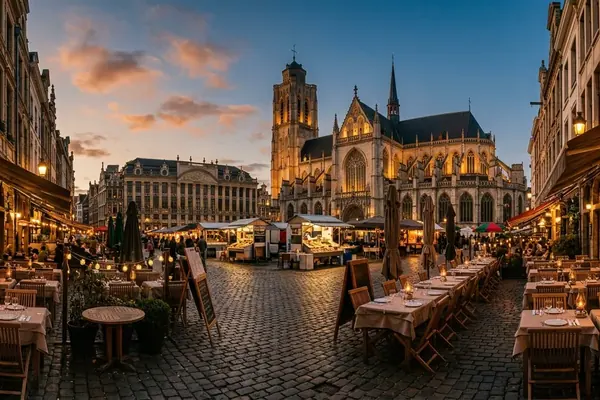
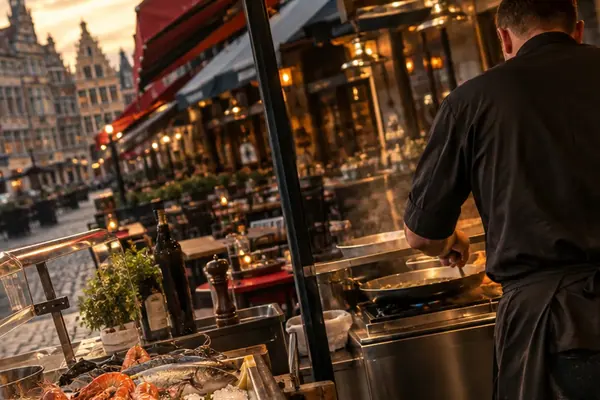
The practical split for a hungry visitor in Brussels is obvious by the second menu board: near the Grand Place, Belgian classics appear in several languages, with mussels, waffles, beer, and frites arranged like a checklist. Walk beyond that tourist belt, in the ballpark of 650-900 meters from the square, and the room changes. Menus shorten. Service gets less theatrical. The table beside you may be occupied by older regulars who eat before 20:00 and know which dish has already sold through.
That is where this list starts.
Useful cue: Order by dish first, prestige second. The most reliable route to Belgian food in Brussels is not chasing famous dining rooms; it is matching the right traditional plate to the neighborhood where that cooking still has a reason to exist.
- Carbonnade Flamande: look for a 2-4 hour braise profile with dark beer, onion, thyme, bay, and mustard-smeared bread.
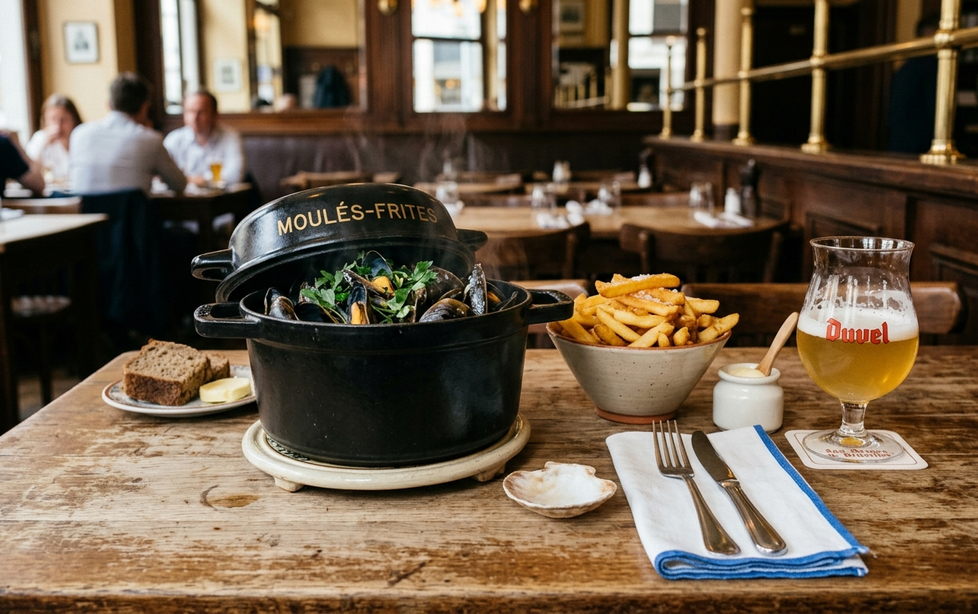
- Moules Frites: choose seafood rooms that adjust to seasonal shellfish supply and serve pots pushing 1 kg before shell waste.
- Stoemp and sausages: favor taverns where the mash shows visible carrot, leek, endive, spinach, or cabbage.
- Waterzooi: seek a pale, cream-bound stew that still eats like a stew, not like a cream soup.
- Shrimp croquettes: listen for the crack, then check for hot grey-shrimp béchamel, fried parsley, and lemon.
- Boulets à la Liégeoise: go when you want sweet-sour sauce and tavern comfort.
- Anguilles au vert: reserve it for a slower meal, with herbs doing the heavy lifting.
Belgian cooking rewards attention to texture. Fries should stay crisp for the first minutes at the table. Mussels should taste of the pot, not of steam alone. A good carbonnade sauce clings without turning gluey.
Our Criteria for Selecting Authentic Belgian Eateries
I built this selection from the plate backward. First came the dishes tied most closely to Belgian home and tavern cooking: Moules Frites, Carbonnade Flamande, Waterzooi, stoemp, shrimp croquettes, boulets, and eel in green sauce. Then came the neighborhood fit. Marolles makes sense for brasserie cooking. Ixelles can support a seafood-minded bistro audience. Schaerbeek still has the tavern rhythm needed for stoemp and sausage.
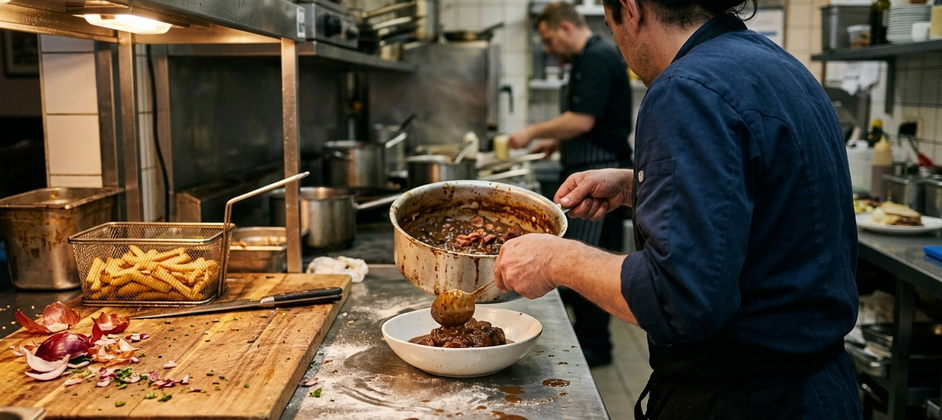
Across recent Brussels rounds, my focus stayed on repeatable signals rather than decorative claims of authenticity. I looked for chalkboard specials, single-dish lunch formulas, Belgian beer pairings listed by style, and service patterns built around two seatings between 18:30 and 21:30. Conversations with local chefs helped sharpen the questions, especially around seafood supply and whether croquettes were made in-house or reheated from industrial stock.
A handwritten French or Dutch menu is not proof of authenticity; a weak kitchen can still reheat industrial croquettes or serve mussels past their best texture. The stronger filter is operational: does the kitchen change dishes seasonally, cook to order, and attract repeat local diners outside peak sightseeing hours?
Cooking markers that matter
- Carbonnade: beef shoulder or cheek should remain intact after a slow braise, with sauce depth from dark beer and onion rather than sugar alone.
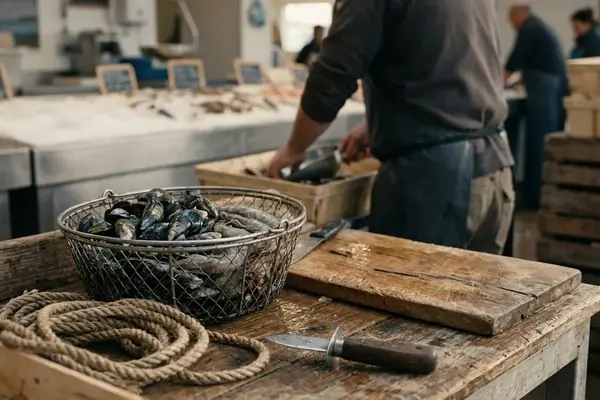
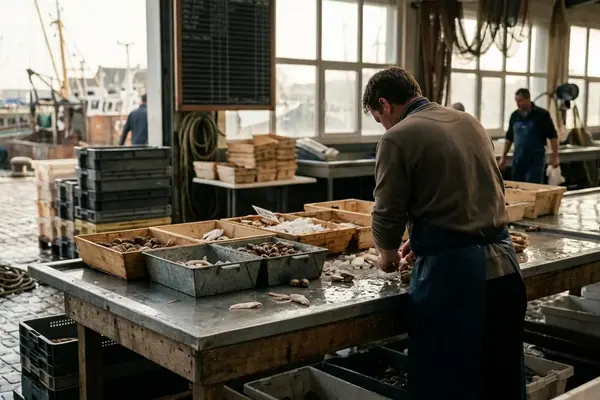
- Mussels: the kitchen should be willing to change or pause seafood offerings when North Sea or Zeeland supply is poor.
- Shrimp croquettes: à la minute frying, often shy of 5 minutes, makes the crust matter.
- Waterzooi: egg yolk, cream, leek, carrot, celery, and potato should soften the broth without turning it into a gratin-style dish.
- Value signal: weekday lunch plates in the €16-€24 range often reveal where regulars actually eat.
For broader cultural orientation, the city’s official Brussels culinary heritage guidelines are useful before you start booking, though the final judgment still happens at the table.
7 Hidden Gems for Traditional Belgian Cuisine
1. A historic Marolles brasserie for Carbonnade Flamande
Start in Marolles when the craving is dark, slow, and beer-braised. A convincing carbonnade here usually leans on beef shoulder or cheek, onions cooked down properly, thyme, bay, and bread smeared with mustard to thicken the sauce. The fries should arrive separately, not buried under gravy; those first 6-8 minutes of crispness are part of the pleasure.
This is the dish I use to judge patience. If the beef collapses into shreds before it reaches the fork, the kitchen may have pushed it too hard. If it resists without chew, someone understood the braise.
2. An unassuming Ixelles seafood spot for seasonal Moules Frites
Ixelles is where I send people who want mussels without turning dinner into theatre. The best order is the one currently in active rotation, not the one printed longest on the menu. Classic preparations to watch for include marinière, white wine, garlic cream, and celery-onion broth.
Recommendation: Ask whether the mussels came from the current delivery. The answer matters more than the promise of tradition.
Tourist-adjacent location does not automatically mean poor food; the stronger question is whether the kitchen respects the shellfish. A seafood-focused room can be excellent during a strong delivery and merely average on a storm-disrupted supply week.
3. A family-run Schaerbeek tavern for stoemp and sausages
Stoemp looks simple until it is dull. The mash should show its vegetable: carrot, leek, endive, spinach, or cabbage should be visible, not whispered into potato. Sausages work best when browned in a pan and served with jus or mustard.
The room matters here. A tavern that serves regulars early, keeps the plate direct, and does not over-garnish the dish will usually understand what stoemp is supposed to do. It should comfort, not perform.
4. A Saint-Gilles bistro for Waterzooi
Waterzooi needs restraint. A Ghent-style version may carry chicken or fish in a pale broth enriched with egg yolk, cream, leek, carrot, celery, and potato. In a Saint-Gilles bistro, I want refinement without losing the stew identity.
The mistake is turning it into cream soup. The better plate keeps separate textures: tender protein, softened vegetables, and a broth that coats the spoon but does not smother it.
5. A hidden central alleyway counter for shrimp croquettes
Proper shrimp croquettes announce themselves before the first bite. The crust cracks audibly, then releases hot grey-shrimp béchamel. Fried parsley and lemon are not decoration; they cut the richness and reset the palate.
Two croquettes make a starter. Three with salad and fries can become a light meal, especially at lunch when the kitchen is still sharp and the fryer has not been abused by a long dinner service.
6. A central estaminet for Boulets à la Liégeoise
Boulets à la Liégeoise belong to the sweet-sour side of Belgian comfort. The sauce should carry that balance clearly rather than sliding into sticky sweetness. This is not a delicate plate, and it should not pretend to be one.
Choose it in an estaminet where beer is treated as part of the meal. A brune or dubbel-style glass at roughly 6-9% ABV has the malt depth to meet the sauce without flattening it.
7. An Uccle slow-evening table for Anguilles au vert
Uccle asks for a different pace. Transit can take longer, and that is exactly why I reserve it for a slower evening rather than a rushed food crawl. Anguilles au vert, eel in green sauce, needs herbs to taste fresh and assertive, not muddy.
Pair it with a drier saison-style beer if the list allows. The dish can be earthy, slippery, and bright all at once; a sweet pairing weighs it down.
Navigating Brussels Dining: Scope and Limitations
Small Brussels rooms are not built for constant turnover. Measured across venues, many worthwhile traditional places run on limited prep, two seatings, and a kitchen that stops taking new hot-food orders once the evening has moved past its practical limit. Lunch commonly sits around 12:00-14:00 or 14:30, while dinner often runs from 18:30-21:30.
Planning cue: Do not leave the most traditional meal for Sunday or Monday without checking hours. Closures on those days are common enough that a serious Brussels food itinerary should protect at least one Tuesday-to-Friday dinner slot.
For Thursday-to-Saturday dinners, reserve 3-7 days ahead when the room is small. Tuesday or Wednesday lunch can often be arranged with 24-48 hours of notice. Walk-ins do happen, but the best tiny venues may not have the staff, stock, or patience to absorb a sudden table of four at peak time.
Seasonality deserves the same respect. Mussel planning is strongest from July through April, but Zeeland availability shifts with water temperature, storms, and supplier grading, so that window is guidance rather than a guarantee. Quality depends on size, meatiness, and sorting, not the calendar alone.
Embracing the Belgian Culinary Spirit
The point of this route is not to collect seven trophies. Use it over 2-3 meals: Marolles or a central estaminet for lunch, Ixelles or Saint-Gilles for dinner, and Uccle when the evening can stretch. Brussels rewards diners who stop trying to force every classic into one day.
Beer helps the food make sense. Gueuze or dry lambic cuts through shrimp croquettes. A Belgian blond ale hovering around 6-8% ABV sits well with mussels. Dubbel or brune works with carbonnade, while a drier saison-style beer suits Waterzooi or eel in green sauce.
Before ordering, ask three plain questions: are the fries fried in beef fat or vegetable oil, are the mussels from the current delivery, and are the croquettes made in-house? The answers tell you more than polished menu language ever will.
Step off the Grand Place grid with an open palate and a little patience. The room may be modest, the menu may be brief, and the service may expect you to understand the rhythm. That is often where Belgian hospitality tastes most complete.

Comments
Start the discussion.
Join the Discussion